What Roof Removal Involves and When It’s Necessary
People searching for what roof removal involves and when it’s necessary are often looking to replace or repair their roofs, and local contractors can handle the job safely and efficiently.
Understanding what roof removal involves and when it’s necessary can help property owners make informed decisions about their roofing projects. Whether planning a complete replacement or addressing specific issues, knowing the basics of the process can clarify what to expect and highlight the importance of working with experienced local contractors. These professionals can assess the condition of existing roofing materials, safely remove old or damaged sections, and prepare the surface for new installations, ensuring the job is done efficiently and correctly.
Property owners in the area might explore this topic if they notice signs of extensive damage, leaks, or structural concerns that warrant removing the existing roof. In some cases, roof removal is needed for upgrades, renovations, or to meet building codes. Connecting with local service providers who specialize in roof removal can provide the expertise and support necessary to navigate these situations, helping ensure the project is handled properly from start to finish. Keep reading to learn more about what roof removal involves and how to determine when it’s the right step for a property.
- Complete roof removal - necessary when replacing an old or damaged roof, with local contractors carefully tearing off the existing structure before installing a new one.
- Partial roof removal - needed for repairs or upgrades to specific sections, with service providers removing targeted areas to match the existing roof design.
- Roof deck removal - performed when the underlying deck is compromised or needs reinforcement, with pros safely stripping down to the structural base.
- Asphalt shingle removal - required during roof upgrades or repairs, with local experts efficiently removing shingles to prepare for new material installation.
- Flat roof removal - essential for replacing or repairing flat roofing systems, with contractors handling the removal process to ensure proper surface preparation.
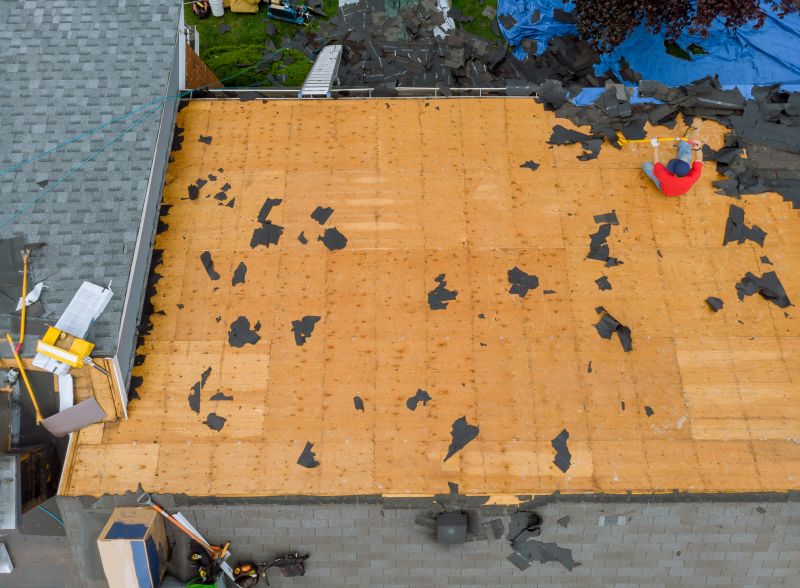
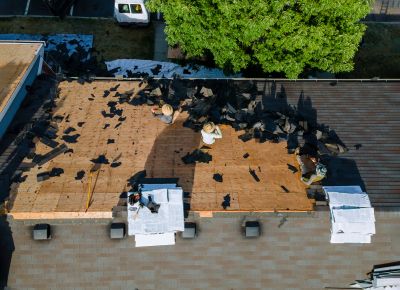
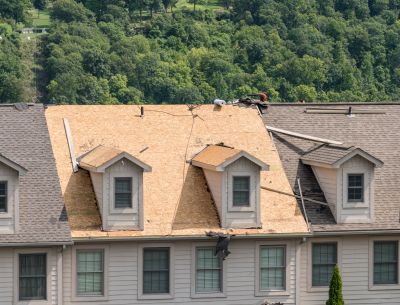
When people search for information about what roof removal involves and when it’s necessary, they are typically trying to understand the scope of the work and the reasons behind undertaking such a project. Roof removal generally refers to the process of stripping away an existing roof surface, which can be part of a larger renovation, repair, or replacement effort. Homeowners often explore this topic when planning to upgrade their roofing system, repair damage caused by weather or age, or prepare a property for a different roofing style or material. Understanding what roof removal entails helps homeowners grasp the level of effort required and the importance of working with experienced local contractors who specialize in this service.
This process is closely related to a variety of problems and plans that homeowners may have. For example, extensive roof damage from storms or leaks might necessitate complete removal before installing a new roofing system. Similarly, if a roof has reached the end of its lifespan, removing the old materials becomes a necessary step toward a full replacement. In some cases, property owners may remove a roof to address structural issues or to modify the building’s design, such as adding dormers or changing the roof’s pitch. These projects often involve careful planning and coordination with local contractors who understand the complexities of roof removal and installation, ensuring the work is safe, efficient, and properly executed.
The types of properties that typically require roof removal services include residential homes, especially those with older or damaged roofs, as well as multi-family buildings and small commercial structures. Single-family houses often undergo roof removal during major renovations or after storm damage, while larger properties like apartment complexes or small office buildings may need more extensive work to replace multiple sections or entire roofing systems. The materials involved can vary widely-from asphalt shingles and wood shakes to metal panels-each presenting its own challenges during removal. Local service providers are equipped to handle these different property types and materials, providing tailored solutions that meet the specific needs of each project.
Understanding what roof removal involves and when it’s necessary allows homeowners to better plan for their projects and recognize the value of working with experienced local contractors. These professionals bring expertise in safely removing old roofing materials, managing debris, and preparing the underlying structure for a new roof. Whether addressing damage, upgrading materials, or modifying the building’s design, roof removal is a critical step that sets the foundation for a successful roofing project. Connecting with local service providers ensures that the process is handled efficiently and correctly, helping property owners achieve durable, reliable results for their homes or buildings.
Roof deck replacement - involves removing and replacing the underlying structure of a roof, requiring similar planning, safety measures, and tools as roof removal projects.
Attic insulation removal - requires careful handling and debris management, often alongside roof removal when gaining access to the roof space.
Chimney removal or repair - involves structural work and debris cleanup similar to roof removal, especially when chimneys are integrated into the roof structure.
Gutter and fascia replacement - entails working at heights and coordinating with roof removal to ensure proper access and safety during the project.
Roof flashing replacement - involves removing sections of roofing material to access flashing, paralleling roof removal tasks in terms of planning and tools.
Siding removal and installation - often requires working on the exterior at height, involving similar safety precautions and planning as roof removal services.
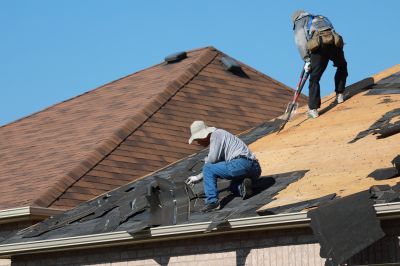
When comparing local contractors for roof removal, experience with similar projects is a key factor to consider. An established service provider who has handled roof removal in comparable situations can offer insights into potential challenges and effective solutions. This experience can also indicate familiarity with the specific types of roofing materials and structures involved, helping ensure that the work is performed efficiently and correctly. Homeowners should inquire about the contractor’s background with projects of similar scope to gauge their ability to manage the complexities that may arise during the process.
Clear and detailed written expectations are essential when evaluating roof removal services. A reputable contractor will provide a comprehensive outline of what the project entails, including the steps involved, the scope of work, and any necessary preparations or post-removal procedures. Having this information in writing helps prevent misunderstandings and ensures that both parties are aligned on the work to be done. Homeowners are encouraged to review these expectations carefully and ask questions to clarify any uncertainties before proceeding.
Reputable references and effective communication are vital components of choosing the right local contractor for roof removal. Service providers who can furnish references from previous clients demonstrate transparency and a track record of completed projects. Good communication throughout the process allows homeowners to stay informed, ask questions, and address concerns promptly. This level of engagement helps build confidence that the contractor understands the project’s requirements and will work to meet expectations, making the entire process smoother and more predictable.
Property owners often search for what roof removal involves and when it’s necessary when they are planning practical projects around their homes and businesses. Local pros provide Roof Removal services for everyday jobs and straightforward project options.
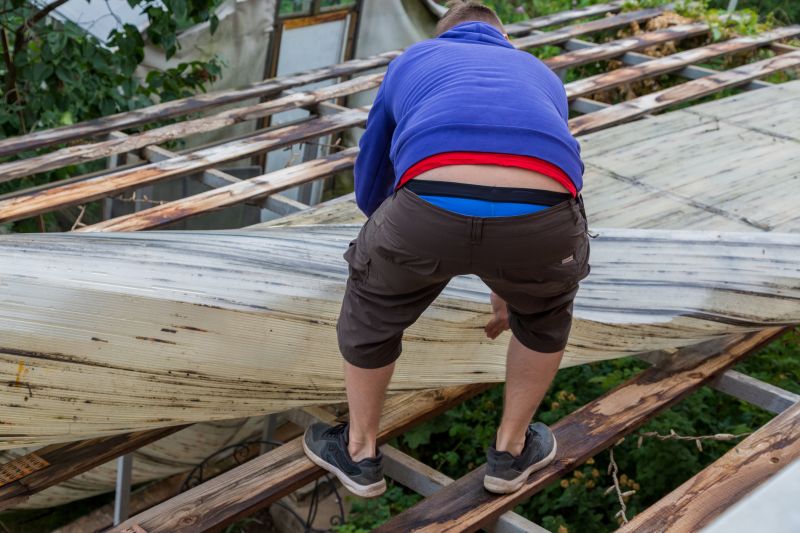
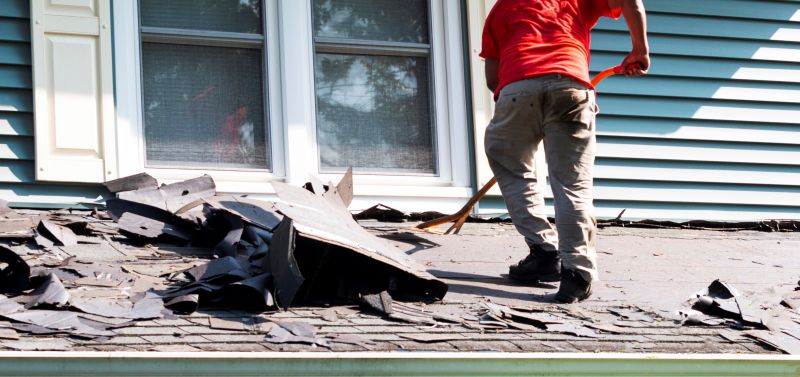
Roof removal involves carefully taking down an existing roof structure, which can be necessary for a variety of reasons. Property owners might consider roof removal when planning a complete roof replacement, especially if the current roof has sustained significant damage, extensive wear, or underlying issues that cannot be repaired easily. Additionally, some may need to remove a roof to make structural repairs, upgrade to a different roofing style, or prepare for new insulation or other upgrades. Local contractors who specialize in roof removal can handle these projects efficiently, ensuring the old roofing material is safely taken down and prepared for the next phase of construction.
Understanding when roof removal is necessary can help property owners make informed decisions about their home or building projects. For example, if a roof has reached the end of its lifespan, shows signs of extensive damage, or has underlying issues like leaks or mold, removal may be the best course of action before installing a new roof. Sometimes, property owners might also need roof removal when removing outdated or damaged roofing materials to improve the overall appearance or functionality of a building. Local service providers are equipped to evaluate these situations and carry out roof removal safely and effectively, helping to set the stage for a successful roof replacement or renovation.
What does roof removal involve? Roof removal involves carefully stripping away the existing roofing materials to prepare the structure for a new roof. Local contractors typically handle this process, ensuring safety and proper disposal of old materials.
When is roof removal necessary? Roof removal is necessary when the existing roof is severely damaged, has multiple layers of old roofing, or needs to be replaced to address leaks and structural issues. Professionals can assess whether removal is the best course of action.
Can roof removal be done on any type of roof? While many roofs can be removed, the complexity depends on the roof’s design and materials. Experienced local service providers can evaluate the specific situation and recommend appropriate removal methods.
What are signs that indicate a roof needs to be removed? Signs include extensive damage, persistent leaks, sagging areas, or multiple layers of roofing. A local contractor can determine if roof removal is necessary based on these conditions.
How do local pros handle the roof removal process? Local contractors typically start with a safety assessment, then carefully remove old roofing materials, dispose of debris properly, and prepare the surface for a new roof installation, ensuring a thorough and efficient process.
Assessing Roof Condition - Property owners can evaluate signs of damage or deterioration to determine if roof removal is needed before installing a new roof. Local contractors can help identify issues that require complete removal for proper repair.
Planning for Roof Replacement - When planning to replace an aging or damaged roof, understanding what roof removal involves ensures the process is smooth and effective. Service providers can assist with coordinating the removal and installation steps.
Addressing Structural Concerns - If there are underlying structural problems, roof removal may be necessary to access and repair the framework. Professionals can handle the safe removal and ensure the structure's integrity is maintained.
Upgrading to New Roofing Materials - Upgrading to different or more durable roofing materials often requires removing the existing roof first. Local contractors can handle the removal process to prepare the surface for the new installation.
If you are thinking about what roof removal involves and when it’s necessary for a property, this guide is meant to help you understand this topic, the typical project types, and how different options might fit your plans.
When you are ready, you can use the quote form on this page to share a few details about your project. From there, local pros can review the basics and follow up with options that match what you have in mind.